Repair TipsLocal Guides
How to remove soot from walls after a fire
Discover practical steps to effectively remove soot from walls after a fire in Evanston, ensuring your home is safe and clean.
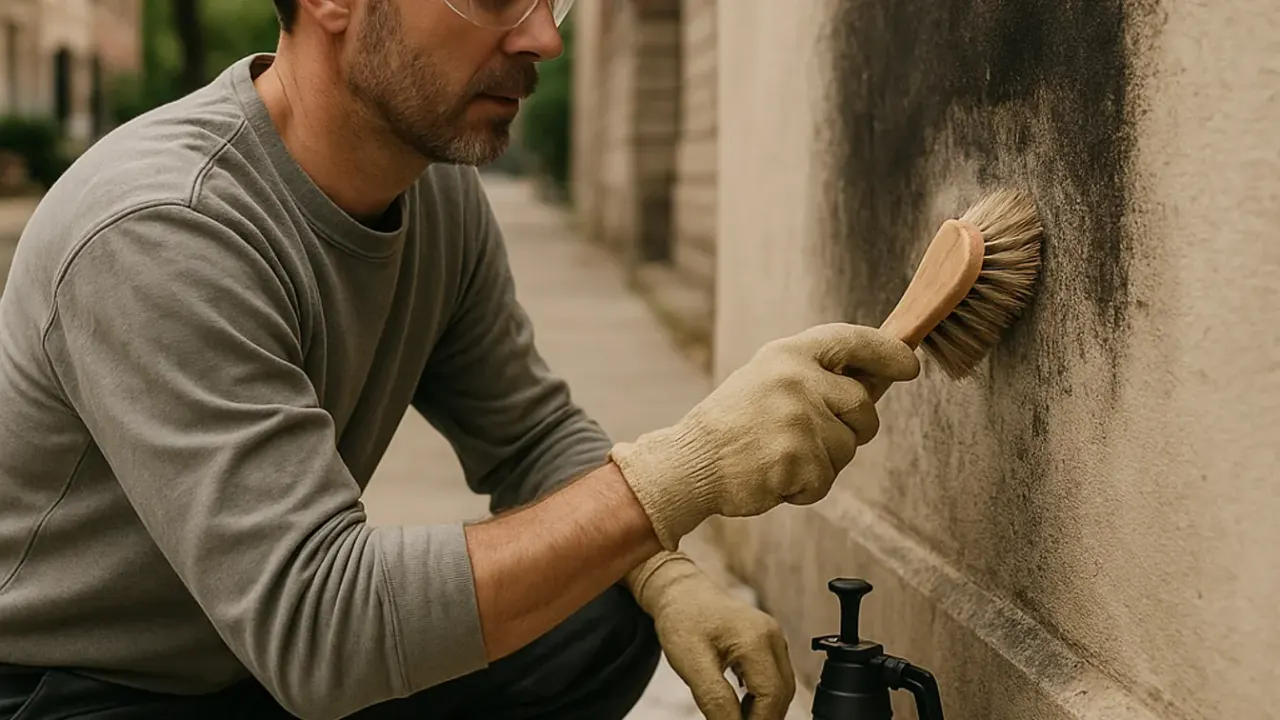
Soot removal from walls after a fire is essential to restore your home and eliminate harmful residues. The process involves cleaning surfaces to remove black, powdery soot that can cause health issues and damage your property. This guide will walk you through effective methods to remove soot from walls, focusing on the unique challenges faced by homeowners in Evanston.
Understanding how to properly clean soot is crucial, especially in older homes where the building materials may be more susceptible to damage. The following sections will detail the impacts of soot on walls, outline the steps for effective removal, and provide guidance on when to seek professional help.
What is soot removal?
Soot removal is the process of cleaning surfaces affected by soot deposits, typically left behind after a fire. These deposits can be harmful, not just aesthetically but also in terms of air quality and potential health risks.
How does soot affect walls?
Soot can severely damage walls in multiple ways. First, it stains surfaces, making them look unsightly. Second, soot contains harmful chemicals that can linger in the air, posing respiratory risks. In Evanston, where many homes feature older construction styles, soot can penetrate porous materials, making it harder to remove without proper techniques.
Steps to remove soot from walls
To effectively remove soot from walls, follow these steps:
- Assess the damage: Check the extent of soot damage. Determine if it's superficial or if deeper cleaning is required.
- Gather your materials: You will need a vacuum with a brush attachment, a bucket, warm water, dish soap, white vinegar, and soft cloths or sponges.
- Vacuum the walls: Use the brush attachment to gently vacuum the soot off the walls. This step helps to remove loose particles without smearing them further.
- Prepare a cleaning solution: Mix warm water with a few drops of dish soap and a cup of white vinegar. This solution helps break down soot without damaging the paint.
- Test a small area: Before applying the solution to the entire wall, test it on a small, inconspicuous area to ensure it doesn't damage the paint.
- Wipe down the walls: Use a soft cloth or sponge dipped in the cleaning solution to gently wipe the walls. Start from the bottom and work your way up to avoid streaking.
- Rinse and dry: After cleaning, rinse the walls with clean water and dry them with a soft towel to prevent moisture damage.
- Consider professional help: If soot remains or if the damage is extensive, it may be time to call in professionals for soot removal services Evanston IL.
These steps can significantly improve the appearance of your walls. However, be mindful that soot can sometimes penetrate deeper than surface cleaning can reach.
Common mistakes to avoid
When attempting to remove soot from walls, homeowners often make several common mistakes:
- Using abrasive cleaners: Harsh chemicals or scrubbing pads can damage your walls.
- Ignoring ventilation: Ensure the area is well-ventilated while cleaning to avoid inhaling soot particles.
- Skipping professional help: If the damage is extensive, it's wise to consider fire damage cleanup Evanston services for comprehensive restoration.
When to call a professional
If the soot damage is extensive or if your cleaning efforts do not yield satisfactory results, it's time to call a professional. Services like smoke damage restoration Evanston IL can address underlying issues that homeowners might overlook. Professionals can assess the damage and provide a thorough cleanup, ensuring your home is safe and clean.
Frequently asked questions
- How long does it take to remove soot from walls? The process can take anywhere from a few hours to a couple of days, depending on the extent of the damage.
- Can I use regular household cleaners for soot removal? While some household cleaners can help, specialized soot removal products are often more effective.
- What are the signs I need professional soot removal? If soot persists after cleaning, or if you notice health issues, it's time to call a professional.
- Is soot removal covered by insurance? Many homeowners' insurance policies cover soot removal, but you should check your specific policy details.
- Can soot damage paint? Yes, soot can stain and damage paint, especially if not cleaned promptly.